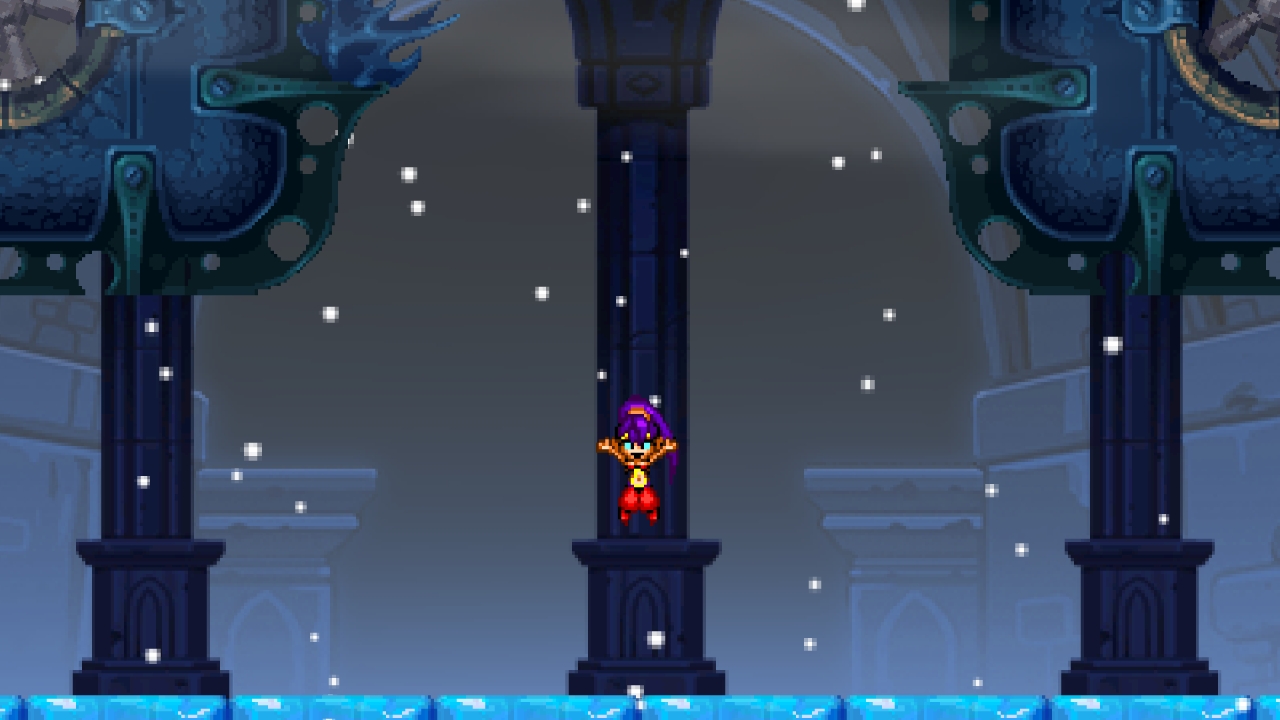

Before I start this review, I’ve got to be somewhat upfront; I love Shantae’s developer, Wayforward.
The first game I ever played from them was Mighty Switch Force, which caught my eye with its interesting gameplay elements of phasing between dimensions to move blocks. Then, when they announced they were remaking DuckTales, I fell for them like a high school cheerleader falls for the quarterback. And as the saying goes, “if you love it so much, why don’t you marry it?”
I did.
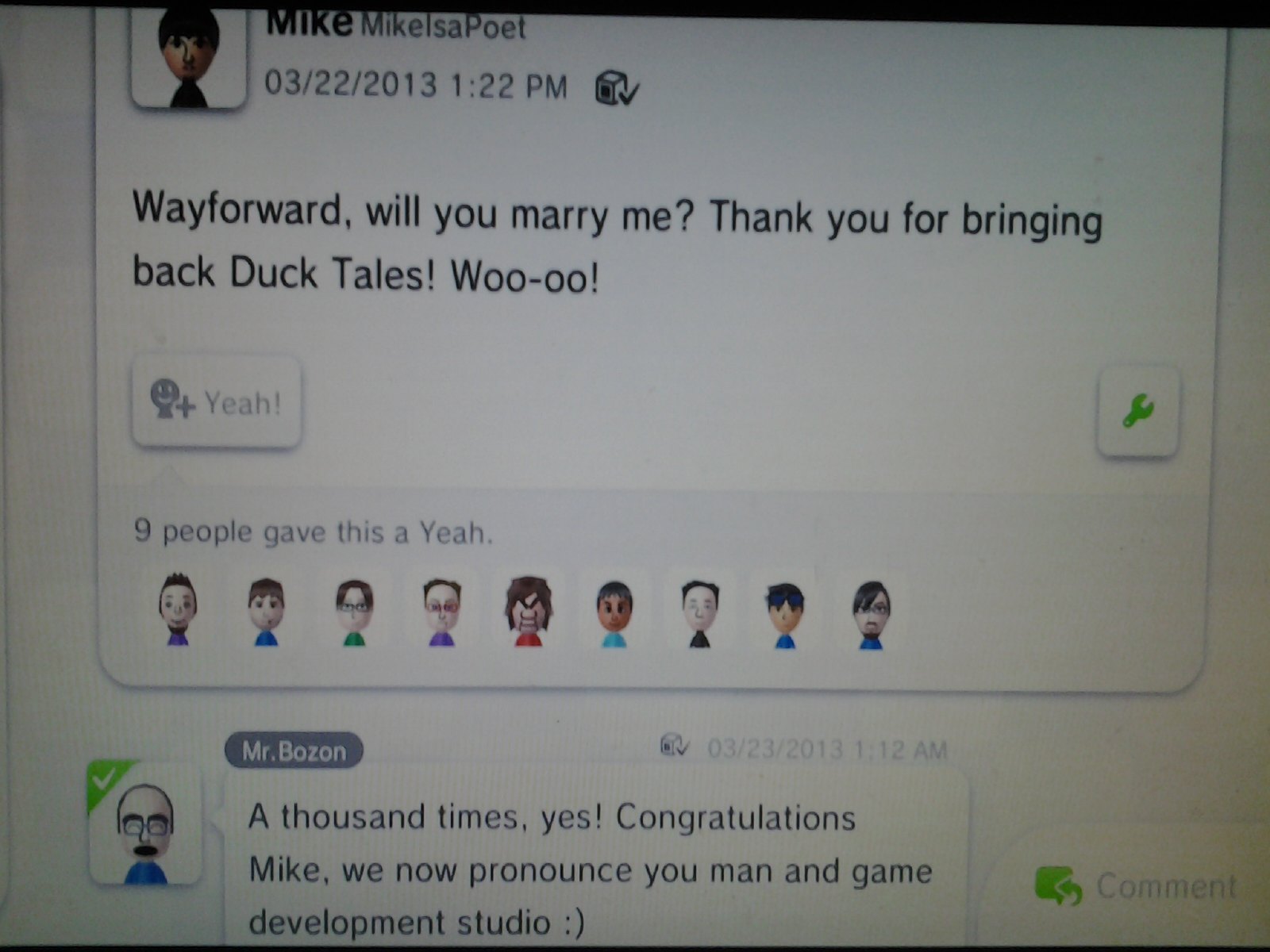
See? It’s official, it’s even been ordained by Matt Bozon of WayForward himself! So it’s almost as if buying this game was a proverbial child support payment.
Despite my totally legit marriage license to a game development company, this is my first Shantae title, although the series stretches back to the Game Boy Color with its titular debut in 2002. The entire series is now on the 3DS eShop as well, as Shantae is on the Virtual Console and Shantae: Risky’s Revenge is in the DSiWare section. After playing the third installment, I’m extremely likely to purchase them because the game is simply that good. I guess you could say it’s worth its weight in buried treasure!
What kind of game is Shantae? It’s by definition a Metroidvania-style game; go to a new area, kill newer, stronger baddies while bypassing secret areas you can’t get access to until you find a new weapon or power-up later in the level or in the next world over.
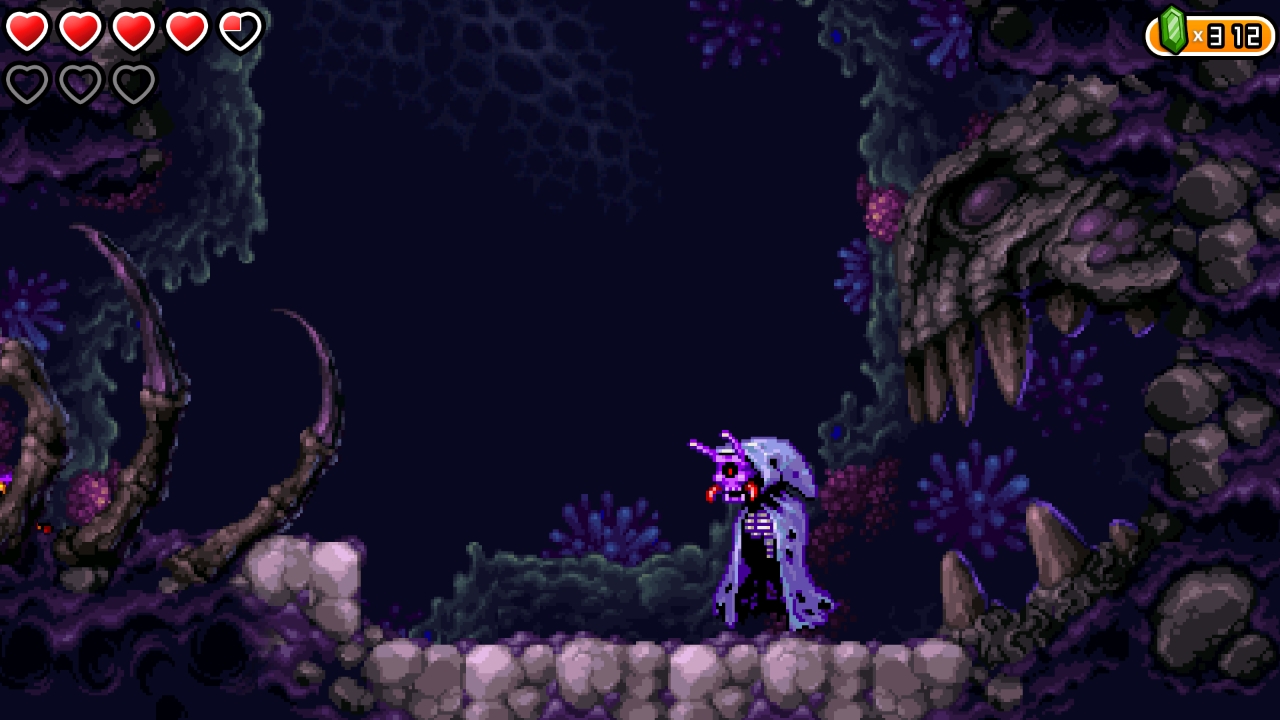
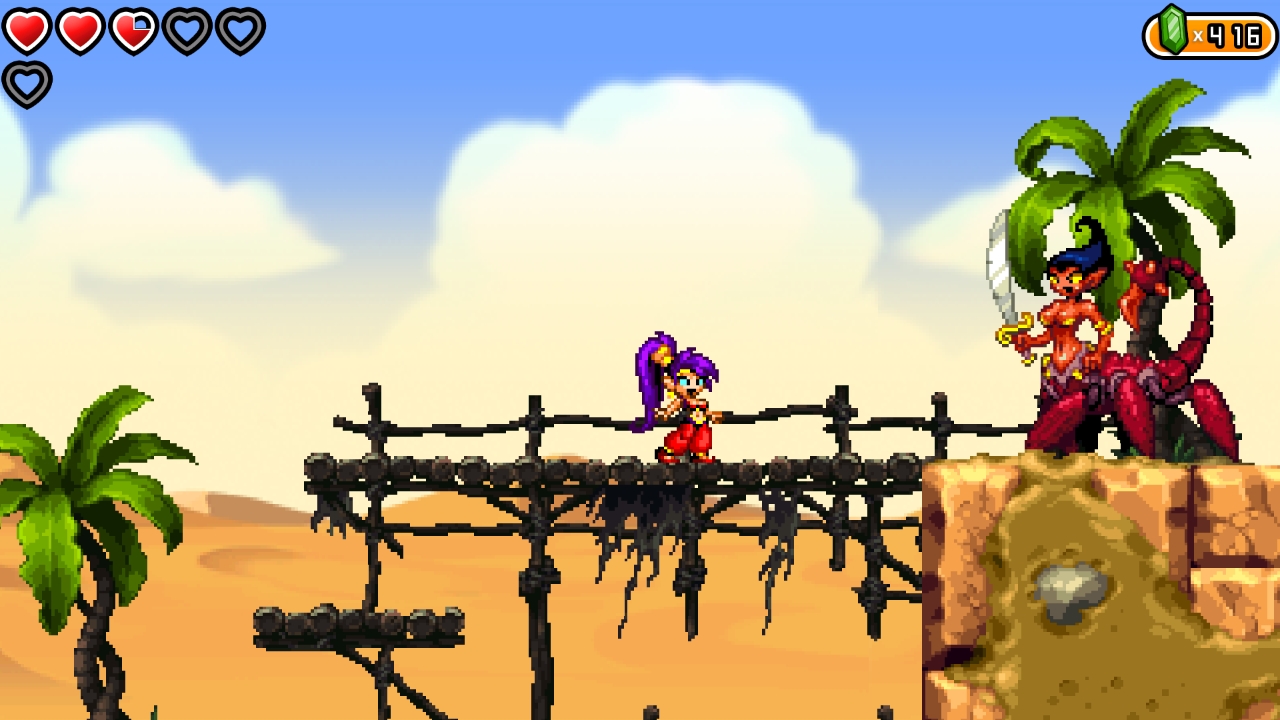
You’d be forgiven if you thought you were about to go fight Kraid or Ridley from this screenshot; in fact Shantae and the Pirate’s Curse has a myriad of different themed islands to visit–few of them actually being “pirate” themed. From a forest-themed level that reminds me immensely of the Amazon level from DuckTales (coincidence?), to the world of the undead, to an island of ice: the world of Sequin Land has a very diverse climate. This is a strong point however, as it plays into the story quite well. From what I gather of the lore that I’ve missed since I’ve started with the third game in the series, Shantae is a half-genie that resides in Sequin Land as a guardian. Her arch-nemesis, Risky Boots, is a pirate bent on taking over all the land. In Pirate’s Curse however, the two opposites come together to take on the revived Pirate Master. The lack of prior storytelling may turn some people off, but I find it to be a good thing that the game assumes after three titles, anyone playing would know what’s going on, and those that may not can still get used to the controls enough to play through the game.
The actual gameplay itself is fluid and easy to handle. Your basic attack, the hair-whip, which is exactly as it sounds, is fast to use and can be upgraded as well as the rest of the attacks you unlock throughout the game. Moves aren’t difficult to use, and unless you grind for money like I did and upgrade everything to the maximum immediately, everything feels right for the challenge at hand. Boss battles are also nicely thought-out and make good use of the new weapon you obtain in each level.
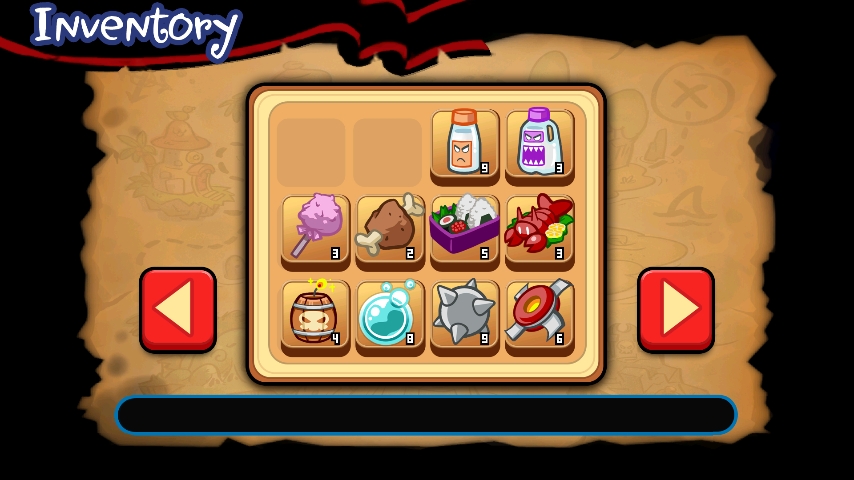
The touchscreen can be used as the typical off-screen device, but is set up as a default to show the inventory or map on the GamePad–which makes sense since this is an HD port of a 3DS title. It’s nothing groundbreaking yet nothing constricting to the gameplay. It works for what it does, and I’m okay with that.
The graphics and sounds of Shantae are what sealed me in, though. WayForward has a way of making beautiful, retro-yet-current 16-bit style graphics. Conversation pieces are hand-drawn atop the SNES/GBA-style color palette, giving retro fans and modern gamers some nice middle-ground. The enemies are also nicely designed as well. Definitely baddies you’d expect to find from the insanely creative era of the 90’s!
The music is what sells me in this game though; if you were a fan of the heavy beat tunes of SEGA Genesis games like Sonic the Hedgehog or Streets of Rage, this game will tickle your eardrums into auditory euphoria. Here’s a great example of what you can look forward to when you start playing.
Shantae and the Pirate’s Curse does have a little bit of scurvy around its edges though; the game took me just over 8 hours to 100% the first difficulty in the game, and while there is a New Game+ option, it’s definitely a short overall campaign. That being said, the game does reward you greatly if you complete it with 100%. I mentioned earlier that if you properly managed your inventory, the game’s difficulty was never harder that it should have been…but it wasn’t exactly challenging at all to begin with, either. You should have no problem not dying at all during the game unless you just get careless and forget to use healing items.
The Recommendation
Shantae and the Pirate’s Curse is a fine example of what good Indie games should be like. If you’re a fan of 2D collect-a-thon games, this is a nice addition to your library. Whimsical story, a meta sense of humor, and just barely lacking in content. But what it lacks, it makes up for with character and joyful vibes. WayForward continues to show that they have mastered their design niche with this title.
Shantae and the Pirate’s Curse was released by WayForward Technologies on October 23rd, 2014, and December 25th, 2014 in North America. Both versions cost $19.99